

















How to sleep better: 15 evening habits to fall asleep faster
By the Mush n Go editorial team - 12 October 2026
By the Mush n Go editorial teamPublished 12 October 202615 min read
Sleep
To sleep well, the most effective thing is a regular evening routine: go to bed and get up at set times, stop caffeine in the early afternoon, eat a light dinner, dim the lights and switch off screens an hour before bed, take a warm shower, empty your head onto paper and sleep in a cool, dark, quiet bedroom.

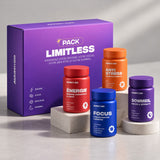
Sleep+
Our evening capsules: reishi, valerian, magnesium bisglycinate, melatonin and acacia fibre. 1 to 2 capsules 30 minutes before bed.
Discover Sleep+ →
Anti-Stress
Ashwagandha, reishi, holy basil, vitamin B6 and schisandra. One or two capsules in the morning, for anyone whose days spill over into their nights.
Discover Anti-Stress →Why the evening matters
Good sleep starts before bedtime.
We often think sleep begins when we switch off the light. In reality, it is prepared hours earlier. Two mechanisms decide how easily you will fall asleep.
Your body clock, first. It sets the body to a cycle of about 24 hours, and it takes its cue mainly from light. In the evening, as the light fades, the brain releases melatonin, the hormone that tells the body night is coming. Too much light, especially bright light, delays that signal.
Sleep pressure, second. The longer you stay awake, the more the need for sleep builds up. A late nap or an afternoon coffee skews that counter, and sleepiness arrives too late.
Evening habits act on these two levers. None of them is magic on its own. It is their sum, repeated every evening, that makes the difference after a few weeks. There is no need to adopt them all at once: pick three, keep them up for two weeks, then add more.
The 15 habits
The 15 evening habits at a glance.
Here is the full list, in the order of the day. Each one is explained in detail further down.
| No. | Habit | When |
|---|---|---|
| 1 | Get up at a set time, weekends included | Every morning |
| 2 | Get daylight | In the morning |
| 3 | No long or late naps | In the afternoon |
| 4 | Last coffee before 2 pm | Early afternoon |
| 5 | Limit alcohol in the evening | At dinner |
| 6 | Light dinner, 2 to 3 h before bed | 7 pm - 8 pm |
| 7 | Dim the lights at home | 2 h before |
| 8 | Switch off screens | 1 h before |
| 9 | Warm shower or bath | 1 to 2 h before |
| 10 | Move during the day, gently in the evening | Day, evening |
| 11 | Write tomorrow's list | Before heading to bed |
| 12 | Breathe, read, stretch | 30 min before |
| 13 | A cool, dark, quiet bedroom | At bedtime |
| 14 | Keep the bed for sleep | At bedtime |
| 15 | Get up if sleep won't come | At night |
Habits 1 to 3
Regular hours, the foundation of it all.
1. Get up at a set time. This is the most underrated habit and the most powerful. Your wake-up time sets your body clock far more than your bedtime does. Getting up at 7 am on weekdays and 11 am on Sunday means giving yourself a little jet lag every Monday. Try to keep the gap under an hour, even at weekends.
2. Get daylight in the morning. A few minutes outside after getting up, even under a grey sky, send your body clock a much stronger signal than indoor lighting. A coffee on the balcony, walking to work, breakfast by a window: morning light helps you feel sleepy in the evening.
3. No long or late naps. A short nap of 10 to 20 minutes in the early afternoon refreshes you without eating into the night. Any longer, or after 4 pm, it lowers sleep pressure and delays falling asleep. If you sleep badly, drop it for a few weeks to see the difference.
How many hours of sleep? The US National Sleep Foundation recommends 7 to 9 hours for adults and 7 to 8 hours over 65. The best indicator is still how you feel during the day.
Habits 4 to 6
Coffee, alcohol, dinner: what happens at the table.
4. Your last coffee before 2 pm. Caffeine takes several hours to clear from the body, and that time varies a lot from one person to another. A coffee at 4 pm is therefore still working at bedtime, even if you feel you tolerate it well. Think about tea, cola, energy drinks and dark chocolate too. If you want to keep your afternoon cup, switch to a low-caffeine drink such as a Brainstoorm with 20 mg of caffeine, compared with about 80 mg in an espresso.
5. Limit alcohol in the evening. A glass of wine sometimes helps you drop off, but it degrades the second half of the night: lighter sleep, more frequent waking, heavier snoring. In France, the official guidelines are no more than 10 drinks a week, no more than 2 a day, with alcohol-free days.
6. A light dinner, two to three hours before bed. A large, fatty or very spicy meal just before sleep forces the body to digest instead of rest, and encourages acid reflux. Go for vegetables, a reasonable portion of protein and starchy foods, which help you stay full until morning. And drink mostly during the day, to avoid waking up for the toilet.
Rather yes in the evening
Vegetable soup, fish or eggs, rice, pasta or potatoes, yoghurt, a verbena or chamomile tea.
Rather no in the evening
Coffee, tea, cola, alcohol, very fatty or very spicy dishes, large amounts of liquid just before sleep.
What the studies say
Screens, coffee, a warm shower: four studies worth knowing.
A lot of sleep advice circulates without a source. The advice in this article is based on the recommendations of scientific societies, and on a few studies worth knowing, with their exact conditions.
Chang et al., 2015 · United States
12 adults read for four hours before sleep, five evenings in a row, either on a light-emitting e-reader or in a printed book. With the screen, they took longer to fall asleep, secreted less melatonin in the evening and felt less alert the next morning.
Drake et al., 2013 · United States
12 adults took 400 mg of caffeine, the equivalent of a few strong coffees, at bedtime, 3 hours or 6 hours before. Even taken 6 hours before, caffeine cut their sleep by more than an hour.
Haghayegh et al., 2019 · meta-analysis
A review of studies on a warm shower or bath before bed. Water at 40 to 42.5 °C, 1 to 2 hours before going to bed, even for only about ten minutes, was associated with falling asleep faster.
Scullin et al., 2018 · United States
57 young adults spent five minutes before sleep writing either a to-do list for the next day or a list of what they had already done. Those who wrote a to-do list fell asleep faster, and the more detailed the list, the faster they fell asleep.
Most of these are small studies, but their results point in the same direction as the general recommendations on sleep hygiene. The full references are at the bottom of the page.
Habits 7 and 8
Less light, fewer screens.
7. Dim the lights two hours before bed. Melatonin rises as light falls. Swapping the ceiling light for a warm-light lamp, in the living room as well as the bathroom, tells your brain that night is coming. It is one of the easiest habits to adopt, and one of the most underrated.
8. Switch off screens an hour before. Screens combine three problems: their blue-rich light delays melatonin; their content, news feeds, emails, series, keeps the brain awake; and they make time slip by without you noticing. Night mode softens the first problem, not the other two.
- Charge your phone outside the bedroom, and buy a real alarm clock.
- Set a "screens off" reminder an hour before your bedtime.
- Replace the last episode with a printed book, a calm podcast or gentle music.
- Turn off autoplay for the next episode on your streaming platforms.
- If you have to work late, lower the brightness and switch on night mode.
Habits 9 and 10
Warmth first, then cool.
9. A warm shower or bath, one to two hours before. To fall asleep, your core body temperature needs to drop slightly. Warm water widens the blood vessels in the skin, and when you get out, heat escapes faster: your core temperature falls, which helps you fall asleep. About ten minutes is enough, with pleasantly warm water.
10. Move during the day, gently in the evening. Regular physical activity is one of sleep's best allies. Walking, cycling, swimming, running: what counts is regularity. In the evening, choose gentle activities, stretching, yoga, a walk after dinner. A very intense workout right before bed can delay sleep in some people: keep it for the late afternoon instead.
Two hours before
Dimmed lights, dinner finished, a last look at your emails.
One hour before
Screens off, warm shower, pyjamas. The house switches to night mode.
Thirty minutes before
Tomorrow's list, reading, slow breathing. Then to bed, when sleep comes.
Habits 11 and 12
Clear your head before lights out.
11. Write tomorrow's list. Thoughts going round in circles at lights out are one of the main causes of trouble falling asleep. Putting down on paper what awaits you tomorrow, in five minutes and as precisely as possible, helps the brain let go: it is written down, so it no longer needs to remember it. Keep a notebook on your bedside table for ideas that come late.
12. Breathe, read, stretch. Thirty minutes of calm activity create a buffer between the day and the night. Cardiac coherence breathing, six breaths a minute for five minutes, is easy to learn. 4-7-8 breathing, a few gentle stretches, reading that has nothing to do with work: choose what relaxes you, and repeat it every evening, so that your body links this ritual with sleep.
If stress is with you all day, you also need to act during the day. Some people add 1 to 2 capsules of Anti-Stress to their morning, which combines ashwagandha, reishi, holy basil, vitamin B6 and schisandra. To understand the link between stress and restless nights, read our article on how to lower cortisol, and our comparison reishi or ashwagandha.
Habit 13
The ideal bedroom to sleep well.
13. A cool, dark, quiet bedroom. This is the environment that helps the body lower its temperature and keeps the brain from being disturbed. A few adjustments are often enough.
| Element | Ideal | Simple fix |
|---|---|---|
| Temperature | Cool, around 18 °C | Heating turned down, window ajar, duvet suited to the season |
| Darkness | Completely dark | Blackout curtains, sleep mask, standby lights covered |
| Noise | Silence or steady sound | Earplugs, white noise, door closed |
| Air | Fresh | Air the room for ten minutes every day, even in winter |
| Bedding | Comfortable, suitable | Change your mattress about every ten years, pillow suited to your build |
| Alarm clock | Invisible at night | Turn the display away: checking the time feeds worry |
Habits 14 and 15
The bed, only for sleeping.
14. Keep the bed for sleep. If you work, eat, watch series or scroll on your phone in bed, your brain ends up associating it with being awake. Keeping the bed for sleep and intimacy gives it back its role as a signal. Go to bed when you feel sleepy, not just because it is time.
15. Get up if sleep won't come. It sounds counterintuitive, but spending hours tossing and turning keeps insomnia going. If you are not asleep after about twenty minutes, without checking the time, get up, go to another dimly lit room, do something calm, and come back when you feel sleepy. These two habits are part of cognitive behavioural therapy for insomnia, the first-line treatment for chronic insomnia.
What to avoid when you sleep badly:
- Checking the time every time you wake and working out how much sleep is left.
- Sleeping in to "catch up" on a bad night.
- Going to bed earlier and earlier, hoping to sleep more.
- Having a drink to help you fall asleep.
- Taking sleeping pills without medical advice.
Melatonin, valerian, magnesium
And supplements for good sleep?
Once the habits are in place, some people want to pair them with an evening supplement. Here are the most widely used ingredients, and what you should know about each.
The hormone your brain releases in the evening, also available as a supplement. It is mainly used for jet lag and difficulty falling asleep.
A European plant used since antiquity, with a very pungent root. A traditional evening plant.
A form of magnesium bound to an amino acid, glycine, known for being gentle on the gut.
The mushroom of immortality in Chinese tradition, used for centuries in Asia, most often in the evening.
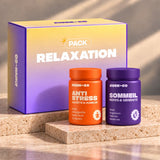
These four ingredients come together, with acacia fibre, in Sleep+, our capsules to take 30 minutes before bed. For a day-and-night routine, the Relaxation Pack pairs Sleep+ and Anti-Stress. And to find out all about evening mushrooms, read our comparison of the best mushroom for sleep.
France's food safety agency, ANSES, advises avoiding melatonin supplements during pregnancy and breastfeeding, in children and teenagers, and in people with inflammatory or autoimmune conditions, and asking a doctor first if you are on medication or have epilepsy, asthma or mood disorders. Valerian and melatonin can cause drowsiness: avoid driving after taking them.
A sample routine
An evening that sets up a good night.
Here is what an evening combining most of the habits can look like, for a bedtime around 11 pm. Shift the times to suit your rhythm, keeping the gaps.
2 pm
Last coffee of the day. After that, water, herbal tea, or a low-caffeine Brainstoorm if you want to keep your break.
7:30 pm
Light dinner: soup, fish or eggs, starchy food, yoghurt. No alcohol, or one glass at most.
9 pm
Dimmed lights throughout the house. The phone goes to charge in the hallway.
9:30 pm
Warm shower, pyjamas and about ten minutes of gentle stretching.
10:15 pm
Five minutes to write tomorrow's list, then reading. 1 to 2 capsules of Sleep+ if it is part of your routine.
11 pm
Into bed in a cool, dark room, when sleep comes. Alarm at the same time tomorrow, weekends included.
When to see a doctor
When habits are not enough.
Insomnia is called chronic when trouble falling asleep, waking in the night or waking too early happens at least three nights a week for at least three months, with an impact on your day. In that case, talk to your doctor: insomnia can be treated, and cognitive behavioural therapy for insomnia gives very good results.
- You snore loudly, or your partner notices pauses in your breathing.
- You nod off during the day, at the wheel or in meetings.
- You feel restlessness in your legs in the evening.
- Your nights are disrupted by pain, anxiety or very low mood.
- Your sleep problems started with a new medication.
These signs can point to sleep apnoea, restless legs syndrome or depression, which need specific medical care.
Your questions
Everything you ask us about sleeping well.
How can I sleep well at night?
Keep regular hours, stop caffeine in the early afternoon, eat a light dinner, dim the lights and switch off screens an hour before bed. Sleep in a cool, dark, quiet room, and keep the bed for sleep.
What is the best time to go to bed?
There is no universal ideal time: it depends on when you get up and how much sleep you need. Count back 7 to 9 hours from your wake-up time, and go to bed when you feel sleepy, at a time that is as regular as possible.
How can I fall asleep quickly?
A warm shower one to two hours before, a cool room, no screens, a to-do list for tomorrow to clear your head, then a few minutes of slow breathing. If sleep has not come after about twenty minutes, get up and come back later.
What should I drink in the evening to sleep well?
Water, a verbena, chamomile or lime-blossom tea, or warm milk if you like it. Avoid coffee, tea, fizzy drinks and alcohol, and limit large amounts just before sleep so you do not wake in the night.
How long before bed should I stop using screens?
An hour is a good benchmark. Screen light delays melatonin release, and their content keeps the brain awake. Night mode helps with the light, not with the rest.
What temperature should the bedroom be to sleep well?
A cool bedroom, around 18 °C, helps the body lower its core temperature, which helps you fall asleep. Adjust your duvet to the season rather than heating the room.
Does melatonin help you sleep better?
Melatonin is mainly used for jet lag and difficulty falling asleep. It does not replace good sleep hygiene, and it is not recommended for some people, notably during pregnancy, in children or with an autoimmune condition. Ask your doctor or pharmacist for advice.
Should you nap if you sleep badly?
A short nap of 10 to 20 minutes in the early afternoon can help. A long nap, or one after 4 pm, reduces sleep pressure and makes it harder to fall asleep in the evening.
When should I see a doctor about sleep problems?
When the difficulties last more than three months, at least three nights a week, or come with snoring, pauses in breathing or daytime sleepiness. Your doctor can look for a cause and suggest suitable care.
Sources
- Hirshkowitz M. et al. (2015). National Sleep Foundation's sleep time duration recommendations: methodology and results summary. Sleep Health, 1(1).
- Chang A.-M. et al. (2015). Evening use of light-emitting eReaders negatively affects sleep, circadian timing, and next-morning alertness. Proceedings of the National Academy of Sciences, 112(4).
- Drake C. et al. (2013). Caffeine effects on sleep taken 0, 3, or 6 hours before going to bed. Journal of Clinical Sleep Medicine, 9(11).
- Haghayegh S. et al. (2019). Before-bedtime passive body heating by warm shower or bath to improve sleep: a systematic review and meta-analysis. Sleep Medicine Reviews, 46.
- Scullin M. K. et al. (2018). The effects of bedtime writing on difficulty falling asleep: a polysomnographic study comparing to-do lists and completed activity lists. Journal of Experimental Psychology: General, 147(1).
Keep reading
Go further.
Good sleep is built in the evening, but also during the day. Discover our other guides, or browse the guide to mushrooms and adaptogenic plants.

Discover our mushroom and adaptogenic plant supplements
Our vegan formulas, made in Toulouse by a French manufacturer.