








Immune system in winter: how to prepare your defences
By the Mush n Go editorial team - 14 October 2026
By the Mush n Go editorial teamPublished 14 October 202614 min read
Immunity
To prepare your immune system for winter, start in autumn with the essentials: sleep at least seven hours, eat a varied diet with enough vitamin C, zinc and selenium, check your vitamin D, move and ease stress. Mushrooms such as chaga, reishi and oyster mushroom add to this foundation, without replacing it.

Immunity
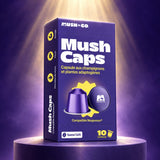
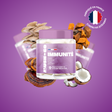
Chaga, reishi and oyster mushroom together in capsules, three mushrooms that Eastern European and Asian traditions associate with the cold seasons. 1 to 2 capsules in the morning.
Discover Immunity →
Energy
Cordyceps, maca, ginger and vitamin C, which contributes to the normal function of the immune system and to the reduction of tiredness and fatigue. Caffeine-free.
Discover Energy →Why winter wears us down
Why we get ill more often in winter.
Colds, flu, stomach bugs, bronchitis: every year, the same story plays out between November and March. It is not the cold itself that makes us ill. It is viruses, and winter brings together all the conditions for them to spread more easily and for us to be less well equipped to respond.
Viruses like cold, dry air. Studies on flu have shown that it spreads far more efficiently at low temperatures and low humidity. In winter, the air outside is cold and the heated air inside is dry: ideal conditions.
We live indoors. Public transport, offices, classrooms, family meals: we spend more time indoors, closer together, in less well-ventilated rooms.
The sun disappears. At our latitudes, the skin makes very little vitamin D from October to March, because the sun's rays are too low. And this vitamin contributes to the normal function of the immune system.
The pace picks up. Back to school, year-end, the holidays: we sleep less, eat less well, move less and stress rises. All of these weigh on our defences. That is why the best preparation starts in September or October, not at the first sneeze.
The six pillars
The six pillars of your immune defences.
Before looking for a miracle supplement, check these six pillars. They do most of the work, and no product can make up for one of them for long if it is missing.
- Sleep: at least seven hours a night, at regular times.
- Your plate: seasonal fruit and vegetables every day, pulses, nuts and seeds, fish or plant-based alternatives.
- Vitamin D: a check with your doctor before winter, especially if you do not get outside much.
- Movement: moderate, regular activity, such as 30 minutes of brisk walking a day.
- Stress: real recovery time, not just weekends spent catching up on sleep.
- Hygiene and vaccination: hand-washing, ventilation, and a flu jab if it is recommended for you.
These pillars reinforce each other. Sleeping better helps you manage stress, moving helps you sleep better, eating well gives you energy to move. The aim is not perfection: it is not letting one pillar collapse for the whole winter.
What the research says
Sleep, stress, vitamins: five studies worth knowing.
When it comes to immunity, there are plenty of promises and far less evidence. Here is solid research that shows what really matters.
Prather et al., 2015 · United States
164 healthy adults whose sleep was measured for a week, then deliberately exposed to a cold virus. Those who slept less than six hours were about 4.2 times more likely to develop a cold than those who slept more than seven hours.
Cohen, Tyrrell and Smith, 1991 · United Kingdom
394 volunteers exposed to respiratory viruses. The higher their level of psychological stress, the higher their risk of infection and of a cold. A study that has become a classic on the link between stress and defences.
Martineau et al., 2017 · meta-analysis
25 trials, 11,321 participants. Vitamin D supplementation was associated with a modest reduction in acute respiratory infections, more marked in people with severe deficiency and with daily or weekly doses.
Hemilä and Chalker, 2013 · Cochrane review
In the general population, taking vitamin C regularly did not reduce the number of colds, but was associated with a slightly shorter duration. Taking vitamin C once a cold had started showed no consistent effect.
Lowen et al., 2007 · virology
In animals, flu virus transmission was much more efficient in cold, dry air than in warm, humid air. One of the explanations for the seasonality of flu.
The takeaway: sleep and stress weigh heavily, vitamin D matters mainly if you are deficient, and vitamin C is not a magic shield. The full references are at the bottom of the page.
Nutrients to watch
On your plate, winter's allies.
Several vitamins and minerals officially contribute to the normal function of the immune system: this is a health claim authorised in Europe and validated by EFSA. The good news is that they are all found in a varied diet.
| Nutrient | Where to find it | The extra tip |
|---|---|---|
| Vitamin C | Kiwi, citrus fruit, peppers, cabbage, parsley | Heat-sensitive: eat some of your vegetables raw |
| Vitamin D | Oily fish, egg yolk, fortified foods | Diet alone rarely covers needs in winter |
| Zinc | Seafood, meat, pulses, pumpkin seeds | Soaking pulses helps you absorb it better |
| Selenium | Brazil nuts, fish, eggs | One or two Brazil nuts are enough, no more |
| Vitamin B6 | Chickpeas, bananas, poultry, potatoes | Also in our Anti-Stress formula |
| Iron | Lentils, red meat, spinach, tofu | Pair it with vitamin C to absorb it better |
Vitamin C also contributes to the reduction of tiredness and fatigue: that is one of the reasons it features in our Energy formula, alongside cordyceps, maca and ginger.
Think about fibre and fermented foods too: yoghurt, kefir, raw sauerkraut, miso. The gut microbiota is in constant dialogue with the immune system, and it feeds on the variety on your plate. A simple rule: aim for around thirty different plants a week, herbs and spices included.
The case of vitamin D
Vitamin D, winter's forgotten vitamin.
Vitamin D is a special case. Unlike other vitamins, our body makes most of it itself, thanks to sunlight on the skin. And that is exactly what is missing between October and March at our latitudes. Population studies in France show that a large share of adults have insufficient levels by the end of winter.
And vitamin D contributes to the normal function of the immune system. Martineau's meta-analysis suggests that those who benefit most are precisely people who are deficient, with regular doses rather than very large, widely spaced ones.
Take stock
Talk to your doctor in autumn, especially if you do not get outside much, have darker skin or are over 65.
Make the most of the sun
Until October, go out at midday with your arms uncovered, for a few minutes without sunscreen.
Follow advice
For supplements, rely on the dose your doctor or pharmacist gives you, not a dose you found online.
Vitamin D is fat-soluble: it is stored in the body, and excess intake is possible with poorly adjusted doses. French health authorities have in fact warned about cases of overdose in infants with certain supplements. Professional advice beats improvisation.
Chaga, reishi and oyster mushroom
Mushrooms, a cold-season tradition.
In the forests of Siberia, people have drunk chaga as a decoction for centuries during the long winters. In China and Japan, reishi is one of the most respected mushrooms in traditional medicine. The oyster mushroom, on the other hand, is first and foremost a kitchen mushroom, one you can probably find at the market.
What interests researchers about these three mushrooms is above all their polysaccharides, in particular the beta-glucans that make up their cell walls. Many laboratory studies and a few human studies are exploring how they interact with immune cells. Chaga is also studied for its wealth of polyphenols and antioxidants.
Let us be clear: this research is promising, but it does not allow anyone to say that a mushroom "boosts immunity". No health claim is authorised for them in Europe. Their place is that of a tradition, a routine supplement, alongside the pillars above. To find out more, discover the benefits of shiitake.
Chaga
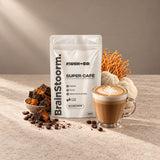
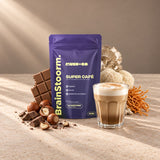
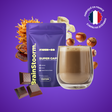
The black birch mushroom, rich in antioxidants, drunk as a decoction in the Nordic countries. It is also in our Brainstoorm, at 1,000 mg per cup.
Reishi
The "mushroom of immortality" in Asian traditions, associated with calm and balance. You will also find it in Anti-Stress and Sleep+.
Oyster mushroom
A common edible mushroom, rich in beta-glucans, including pleuran, studied in children and athletes.
Together
All three together in Immunity, our capsule formula, to take every morning with a glass of water.
For everything about these species and others, read our guide to mushrooms and adaptogenic plants and our article on chaga and its antioxidants.
Seasonal plants
Ginger, turmeric, thyme: the winter kit.
Alongside mushrooms, a few plants are part of winter rituals in almost every kitchen. They do not replace any treatment, but they bring warmth, flavour and comfort, which is no small thing as the days get shorter. To find out more, discover the 12 medicinal mushrooms to know.
Ginger is taken as a tea made from the fresh root, with lemon and a spoonful of honey. Its heat warms you up, and it is traditionally used for digestive comfort. Turmeric finds its way into soups and "golden milk", ideally with a pinch of black pepper and a little fat. You will find it in our Muscle Recovery formula, alongside boswellia. Thyme, finally, is the classic grandmother's tea as soon as your throat starts to tickle.
What about echinacea, propolis, elderberry? They are pharmacy classics, with mixed study results and precautions to follow, especially if you have allergies or an autoimmune condition. Ask your pharmacist before adding them to your routine.
One last, often forgotten ally: broth. A homemade vegetable broth with leek, carrot, onion, garlic, thyme and a few button or oyster mushrooms warms you up, hydrates and provides minerals. It is also the easiest way to eat more vegetables when your appetite drops. Make a big pot on Sunday and keep it in the fridge for the week.
The autumn calendar
Preparing your immune system, month by month.
Preparation takes several weeks. Here is a simple calendar to reach December in good shape, rather than reacting to the first cold.
September
Get back into a regular sleep pattern after the summer, put seasonal vegetables back on your plate and make the most of the last fine days outdoors.
October
Check your vitamin D with your doctor, start a 30-day course of Immunity, and find out about the flu vaccination campaign if it applies to you.
November
Keep up physical activity even though it gets dark early: a walk at lunchtime, the gym, cycling. Air each room for ten minutes a day.
December
Protect your sleep over the holidays, go easy on the excess, and plan real breaks. A second course can take over.
January to March
The heart of winter: daylight in the morning, a plant-rich diet, hygiene and rest at the first signs of fatigue.
A sample day
A winter day, well prepared.
No need to change everything. Here is how to fit the right habits into an ordinary day, from waking up to going to bed.
7:30 am
A big glass of water, 1 to 2 capsules of Immunity, and a few minutes by the window to take in the daylight.
8 am
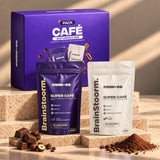
A breakfast with a fruit rich in vitamin C, such as a kiwi or an orange, and a cup of Brainstoorm if you want a gentler energy than classic coffee.
12:30 pm
A colourful plate: vegetables, pulses, whole grains. Then twenty minutes of walking outside.
4 pm
A ginger and lemon tea instead of a third coffee. Two Brazil nuts if you get hungry.
7:30 pm
A seasonal soup with turmeric and pepper, a light dinner, and air the bedroom before going to bed.
10:30 pm
Screens off, bedroom cool: aim for seven to eight hours of sleep, the most underrated pillar.
Common myths
What you hear, what we know.
When it comes to immunity, myths die hard. Here are the most common, set against what we actually know.
| Myth | What we know |
|---|---|
| "The cold makes you ill" | Viruses make you ill. The cold helps them spread and pushes us to live indoors. |
| "More vitamin C, fewer colds" | Taking it regularly does not reduce the number of colds in the general population; it may shorten them slightly. |
| "You can boost your immunity" | You can support its normal function. An excessive immune response is exactly what is seen in allergies and autoimmune diseases. |
| "Intense exercise protects you" | Moderate, regular activity helps. Very long, intense efforts without recovery can actually wear the body out. |
| "A supplement is enough" | No supplement makes up for lack of sleep, a poor diet or chronic stress. |
To better understand the link between stress, cortisol and defences, read our guide to mushrooms, adaptogenic plants and stress.
Precautions
What to know before starting a course.
The mushrooms in our formulas are well tolerated by the vast majority of adults. Some situations still call for medical advice before starting any course.
Talk to your doctor or pharmacist if any of these apply to you:
- You are pregnant or breastfeeding, or the supplement is for a child.
- You have an autoimmune or inflammatory condition, or are taking immunosuppressants.
- You take an anticoagulant or antiplatelet drug, or have surgery planned.
- You have kidney stones or kidney disease: chaga is rich in oxalates.
- You are being treated for diabetes or high blood pressure.
And see a doctor promptly if you have a high fever or one lasting more than three days, difficulty breathing, chest pain, or if symptoms get worse instead of better. A supplement supports a routine; it does not treat an infection. To find out more, read our article on the risks of mushrooms and adaptogenic plants.
Your questions
Immune system in winter: your questions.
How can I strengthen my immune system before winter?
By working on the pillars from autumn onwards: at least seven hours of sleep, a varied diet rich in vitamin C, zinc and selenium, a vitamin D check, moderate exercise, stress management and hygiene. Supplements come on top, never instead.
What is the best food supplement for immunity?
Supplements that provide vitamin C, vitamin D, zinc or selenium carry authorised claims for the normal function of the immune system. Mushrooms such as chaga, reishi and oyster mushroom belong to tradition and ongoing research.
When should I start a course for immunity?
Ideally in October, before winter viruses peak, as a 30-day course you can repeat. Starting at the first cold makes less sense: good habits take several weeks to settle in.
Which vitamin should I take in winter?
Vitamin D is the one most often too low in winter, for lack of sun. Check it with your doctor, who will tell you a suitable dose. Vitamin C, on the other hand, is easy to get from fruit and vegetables.
Which mushrooms for immunity?
Chaga, reishi and oyster mushroom are the most traditionally used during the cold seasons. They are studied for their beta-glucans and antioxidants, with no authorised health claim in Europe to date.
Does lack of sleep lower immunity?
Studies strongly suggest so. In Prather's 2015 study, people who slept less than six hours were about four times more likely to develop a cold after exposure to the virus than those who slept more than seven hours.
Does stress weaken the immune system?
Chronic stress is linked to greater vulnerability to infections, as Cohen's 1991 study on the common cold showed. Real recovery, movement and good sleep help limit this effect.
How do I take Mush n Go Immunity?
1 to 2 capsules every morning with a glass of water, as a 30-day course, which you can repeat through the winter if you wish. The formula combines chaga, reishi and oyster mushroom, vegan, GMO-free, gluten-free and crafted in France.
Sources
- Prather A. A., Janicki-Deverts D., Hall M. H., Cohen S. (2015). Behaviorally assessed sleep and susceptibility to the common cold. Sleep, 38(9).
- Cohen S., Tyrrell D. A., Smith A. P. (1991). Psychological stress and susceptibility to the common cold. The New England Journal of Medicine, 325(9).
- Martineau A. R. et al. (2017). Vitamin D supplementation to prevent acute respiratory tract infections: systematic review and meta-analysis of individual participant data. BMJ, 356.
- Hemilä H., Chalker E. (2013). Vitamin C for preventing and treating the common cold. Cochrane Database of Systematic Reviews.
- Lowen A. C., Mubareka S., Steel J., Palese P. (2007). Influenza virus transmission is dependent on relative humidity and temperature. PLoS Pathogens, 3(10).
Keep reading
Get through winter in good shape.
Discover the mushrooms and plants in our formulas, or browse the page of all our active ingredients.

Discover our mushroom and adaptogenic plant supplements
Our vegan formulas, made in Toulouse by a French manufacturer.